
The Pros and Cons of Different Filament Materials
Great overview of the different 3d printing filaments and how we use them in production.
Filament Pros and Cons
Disclosure: Altay Custom Plastics, LLC is a participant in the Amazon Services LLC Associates Program, an affiliate advertising program designed to provide a way for websites to earn advertising revenues by advertising and linking to Amazon.com.
3D printing is an exciting technology that has revolutionized the way people design and create objects. However, 3D printing is not without its drawbacks. One of the most common issues that people have when printing is choosing the right filament material. There are a variety of filament materials available on the market, each with its own advantages and disadvantages. In this article, we will explore the pros and cons of some of the most popular 3D printing filament materials.
PLA
PLA, or Polylactic Acid, is one of the most popular 3D printing filament materials. It is made from natural resources such as corn starch, sugar cane, or tapioca roots, making it an environmentally friendly option. PLA is easy to use and has a low melting point, which makes it ideal for printing at home. Additionally, PLA prints have a smooth finish with minimal warping.


PLA comes in a number of finishes and colors. Precious metals colors are extremely exciting to see printed as well as the full spectrum of the rainbow. Altay’s printers can operate any version of PLA material. It is our highest volume plastic used and as such is the cheapest we offer.
However, PLA is not the best choice for prints that require strength or durability. PLA is also susceptible to heat and humidity, which can cause warping or other defects. Additionally, PLA has a tendency to warp and shrink when cooling.
ABS
ABS, or Acrylonitrile Butadiene Styrene, is another popular 3D printing filament material. ABS is more durable than PLA, making it ideal for prints that require strength and durability. It also has a higher melting point, making it better suited for industrial applications.


However, ABS is more difficult to use than PLA and can produce a strong smell when printing. Additionally, ABS prints can warp more easily than PLA prints.
PETG
PETG, or Polyethylene Terephthalate Glycol-Modified, is a versatile 3D printing filament material. It is strong and durable, making it a good choice for functional prints. PETG also has a low shrinkage rate, making it more resistant to warping and shrinking.
However, PETG is more expensive than PLA and ABS and is not a easy to use. Additionally, PETG can be brittle and can be difficult to sand or polish.
Nylon
Nylon is a strong and durable 3D printing filament material that is often used for functional prints. Nylon is also resistant to heat, chemicals, and wear and tear, making it ideal for industrial applications.
However, Nylon is one of the most difficult filament materials to use and is not suitable for home use. Additionally, Nylon prints can be brittle and may require special post-processing to achieve the desired surface finish.


Conclusion
Choosing the right filament material is an important part of 3D printing. Each filament material has its own advantages and disadvantages, and the right choice depends on the type of print you are looking to create.
STACYC Bike Makita Battery Adapter
ALTAY Custom Plastics Stacyc Bike Makita Battery Adapter designed and printed for hours of riding and big savings. The story of the idea, design, and production of the adapter for young riders everywhere.
Last spring, a client requested a battery adapter for a STACYC (electric bike) that his 2-year-old son had been learning to ride.
He wasn’t impressed with the price tag on replacement STACYC batteries, and working in the trades had provided him with numerous Makita cordless drill batteries. He wanted us to figure out a way for him to use those Makita batteries on the bike. ALTAY Custom Plastics designed and printed a slip-in Makita battery adapter. Rather than having to buy more STACYC batteries at retail price, he was able to buy the adapter for cheaper and utilize his Makita batteries. It has led to hours of quick charging and riding for his son, and it has been a perfect fit.
As part of the agreement we reached, ALTAY Custom Plastics was able to produce a unit for him and not charge for the design time because of the existing market of riders. ALTAY Custom Plastics developed a path for the adapter to be sold online and is able to charge the same price the original client had paid. We pride ourselves in adding unique value to peoples’ lives at a fair price.
Disclosure: Altay Custom Plastics, LLC is a participant in the Amazon Services LLC Associates Program, an affiliate advertising program designed to provide a way for websites to earn advertising revenues by advertising and linking to Amazon.com. Some of the links below are affiliate links. This means that, at zero cost to you, I will earn an affiliate commission if you click through the link and finalize a purchase.
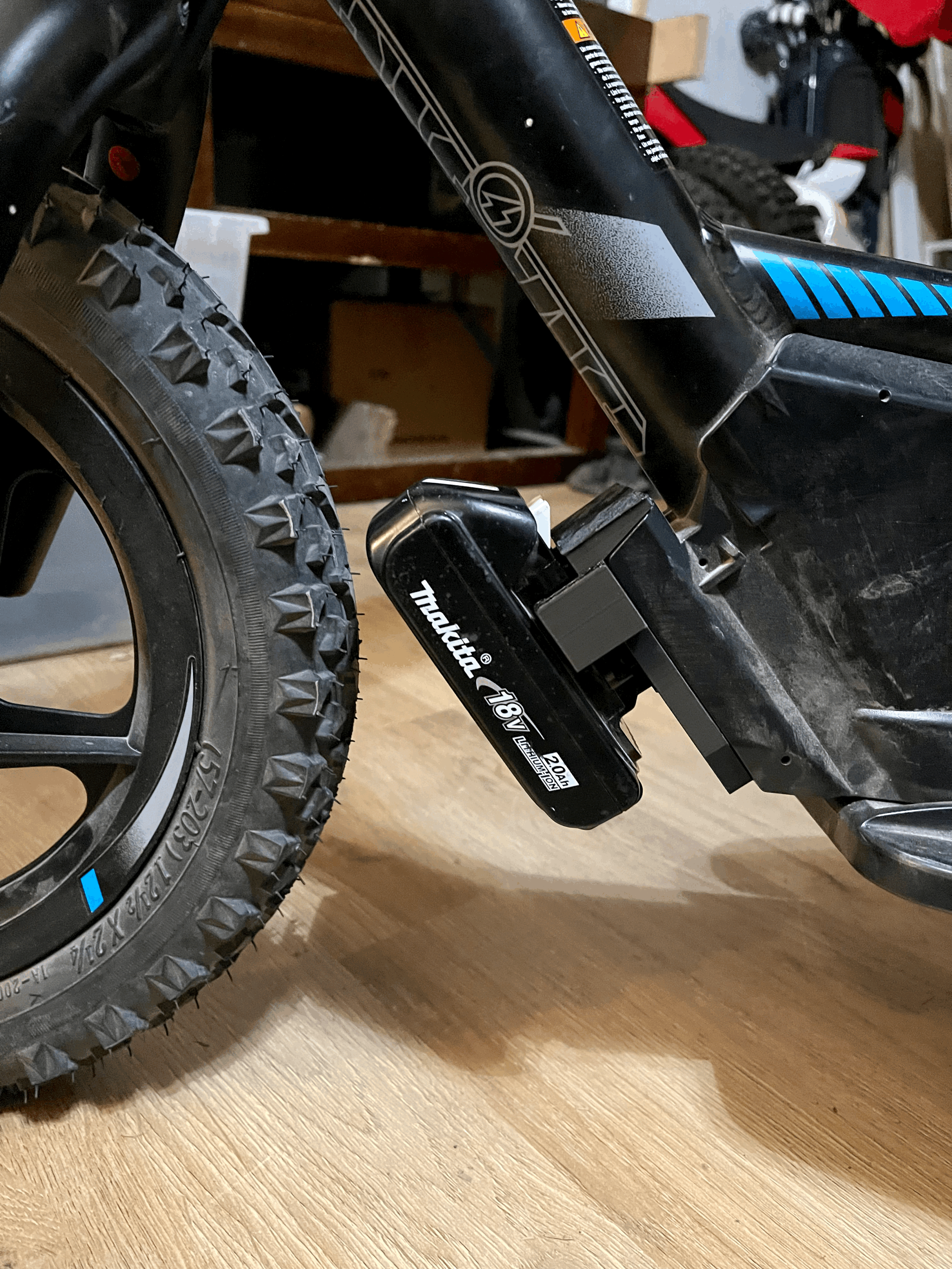

There is no need to mess with wires, cutting, or zip ties. Easy to use slip-in converter for 18V 2.0Ah Makita batteries on 12” or 16” STACYC bikes.
Have an idea for something else?
Send us an email, and our designer will get back to you with an estimate for the project.

Digitization - Using Software to Duplicate Products
Updated: Jan 20, 2023
A client reached out to duplicate a master copy of a model they had. The complex horse saddle was an excellent test case for ALTAY to expand into secondary services for model reproduction. After a brief phone call, quote, and email exchange, the model maker mailed over the master saddle copy. After a couple of hours of tinkering and settling on our method, ALTAY was able to reproduce a 1:1 scale digital model of the saddle. After the digitization was completed, we printed a test and sent a photo of the print for a review.
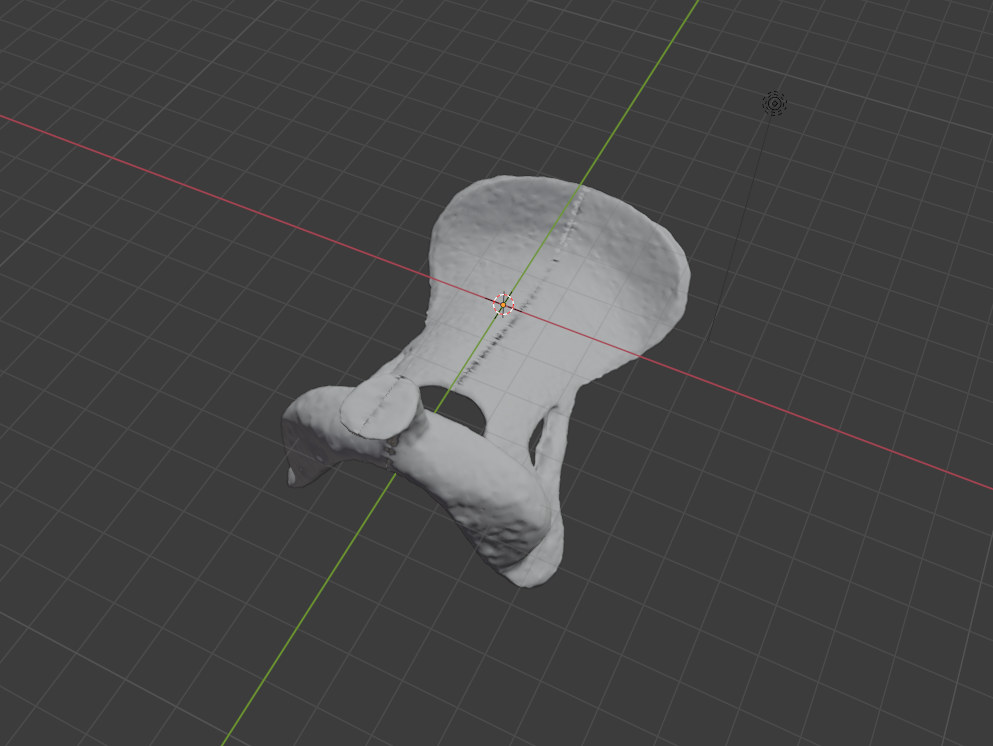
Saddle Rendering after Digitization.

Saddle Print and Master.
Upon approval, ALTAY printed a duplicates of the saddle various scales so they can test out their new product line and verify its what they were looking for.
After sending back the first prints, we were asked to digitize 2 additional scale models for the client. These went well, with a few of the smaller digitizations that took longer than expected. We are excited to continue to add more products and refine the photogrammetry process to better serve the hobby model community.
In the end it ended up as a cost effective solution for their modeling needs and provided an easy method to manufacture their products at different scales.